MCAT® Practice Exam

Walk into Test Day with Confidence
Our MCAT full length practice test prepares you for the real thing with a representative MCAT test simulation experience. Our detailed score reports help you assess your performance, and our industry-leading explanations help you learn from your mistakes and improve your score.
Simulated MCAT
Interface
Illustrated or Annotated Explanations for Each Question
Comprehensive
Score Reports
AAMC-Like Interface
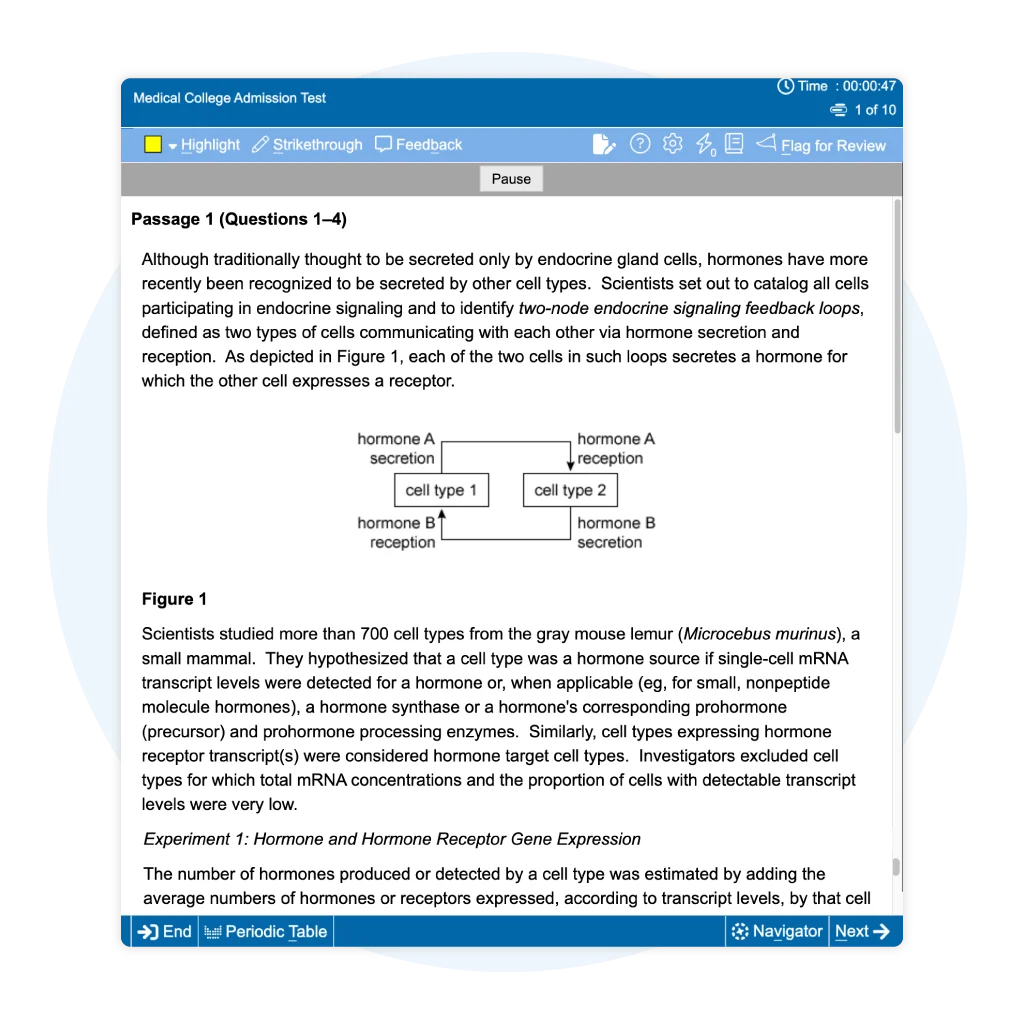
Prepare for your real MCAT practice tests with an interface that matches the official full length MCAT, minimizing surprises on test day. This attention to detail allows you to practice navigating and flagging questions exactly as you would on the actual exam, building crucial muscle memory. By recreating the official look and feel, this MCAT pre test ensures that your endurance and pacing are accurately measured.
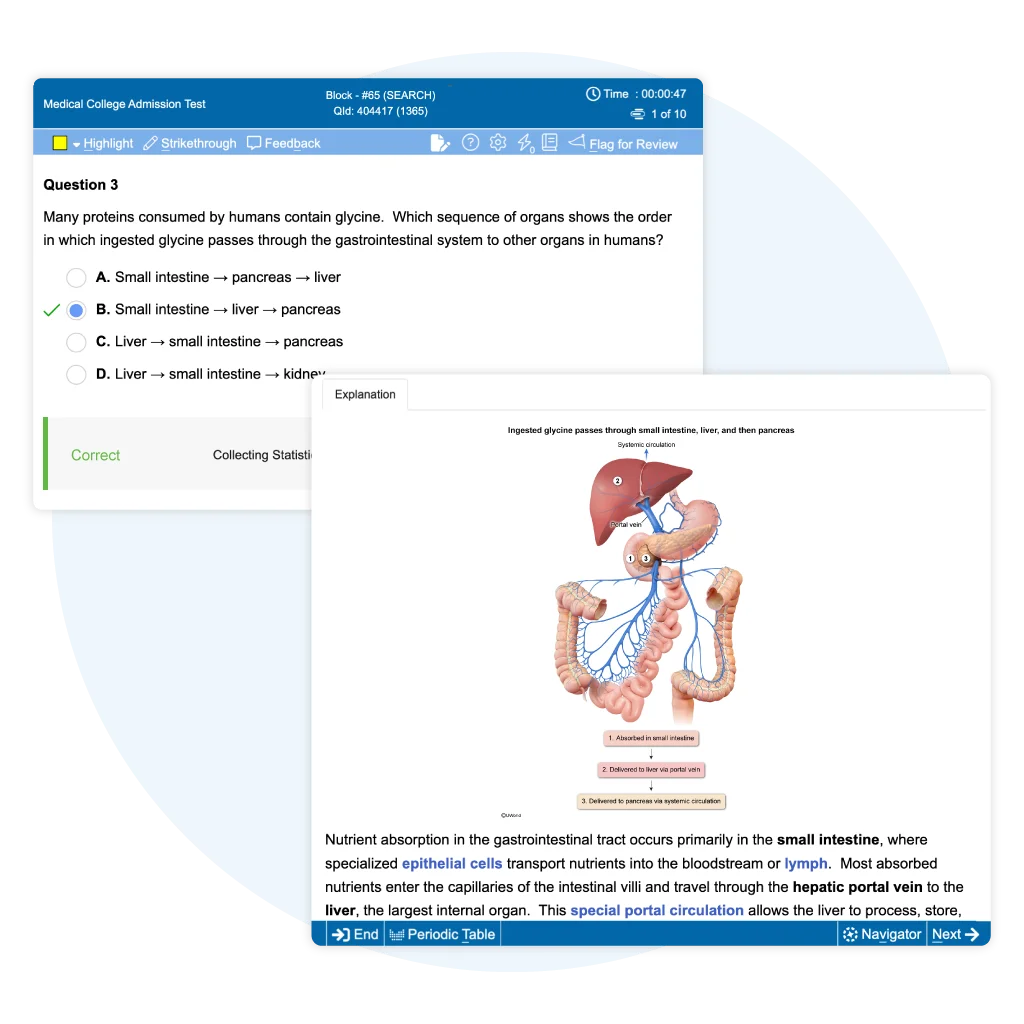
Industry-Leading Explanations
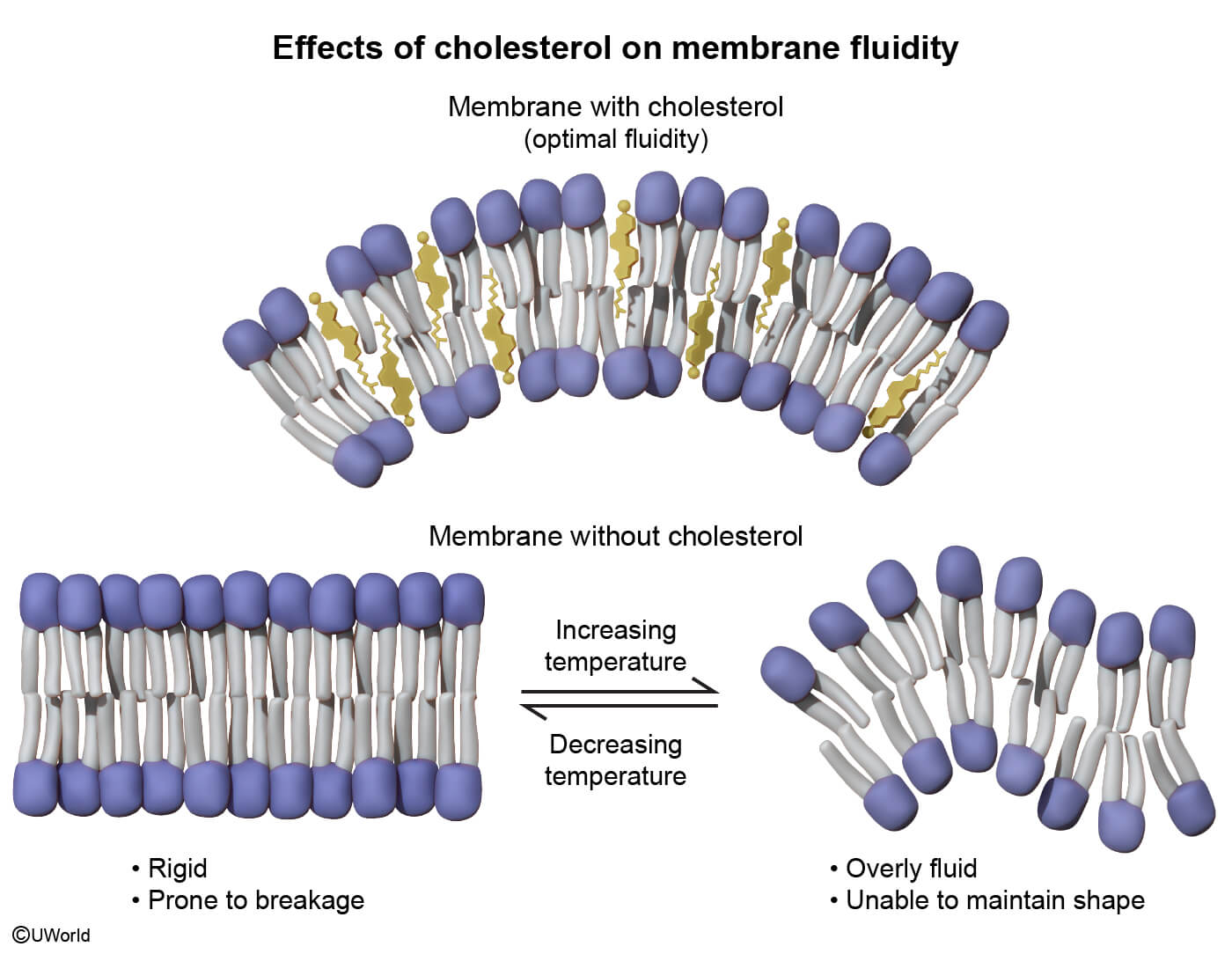
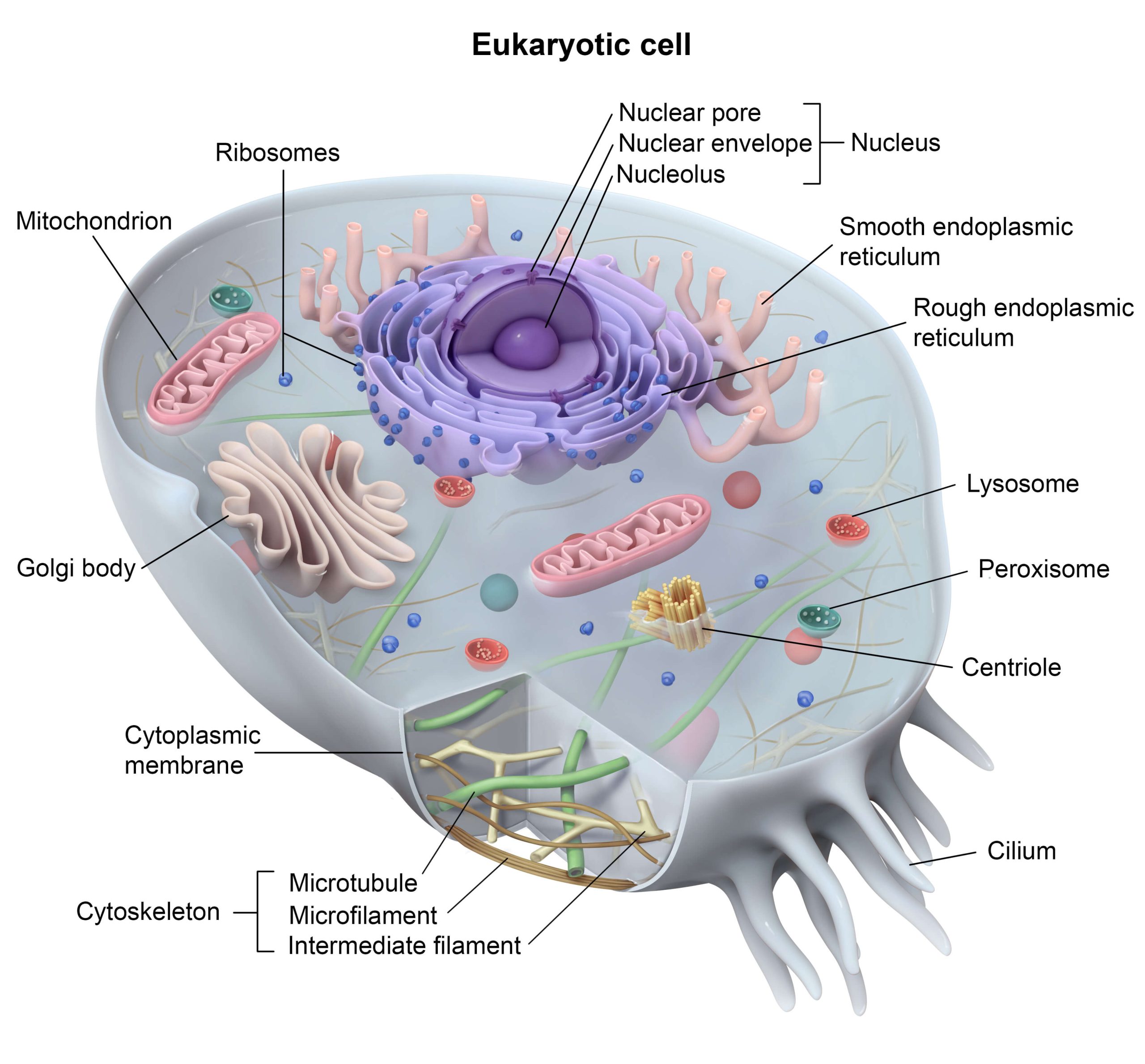
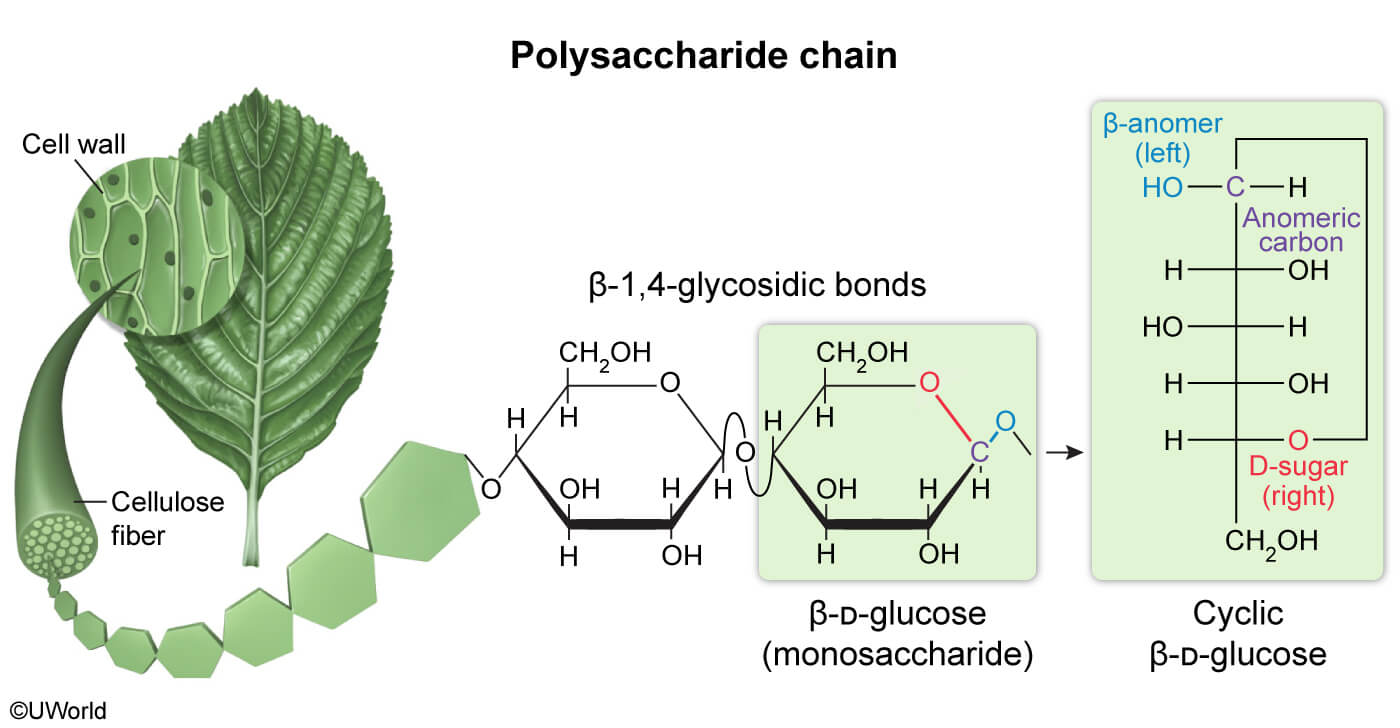
The UWorld MCAT exam practice test explanations go beyond simply stating the correct answer. They are highly illustrated, using visual aids and comprehensive diagrams to clarify complex concepts for every question, whether you got it right or wrong. They provide a deep dive into the reasoning and underlying principle, effectively transforming your MCAT diagnostic exam into a high-yield study session. Our commitment to quality ensures you understand not just what the answer is, but why the correct option works and why the distractors fail, covering the entire spectrum of MCAT knowledge.
Scaled Reporting
Our MCAT practice test reporting mirrors the exam's scaled scoring system, giving you representative section scores (118–132) and total score (472–528). This scaled approach uses a realistic raw-to-scaled conversion (an "equating table") to accurately reflect the test's difficulty. By utilizing this same scoring system, UWorld provides a realistic MCAT diagnostic exam that precisely predicts your readiness for the official full length MCAT.
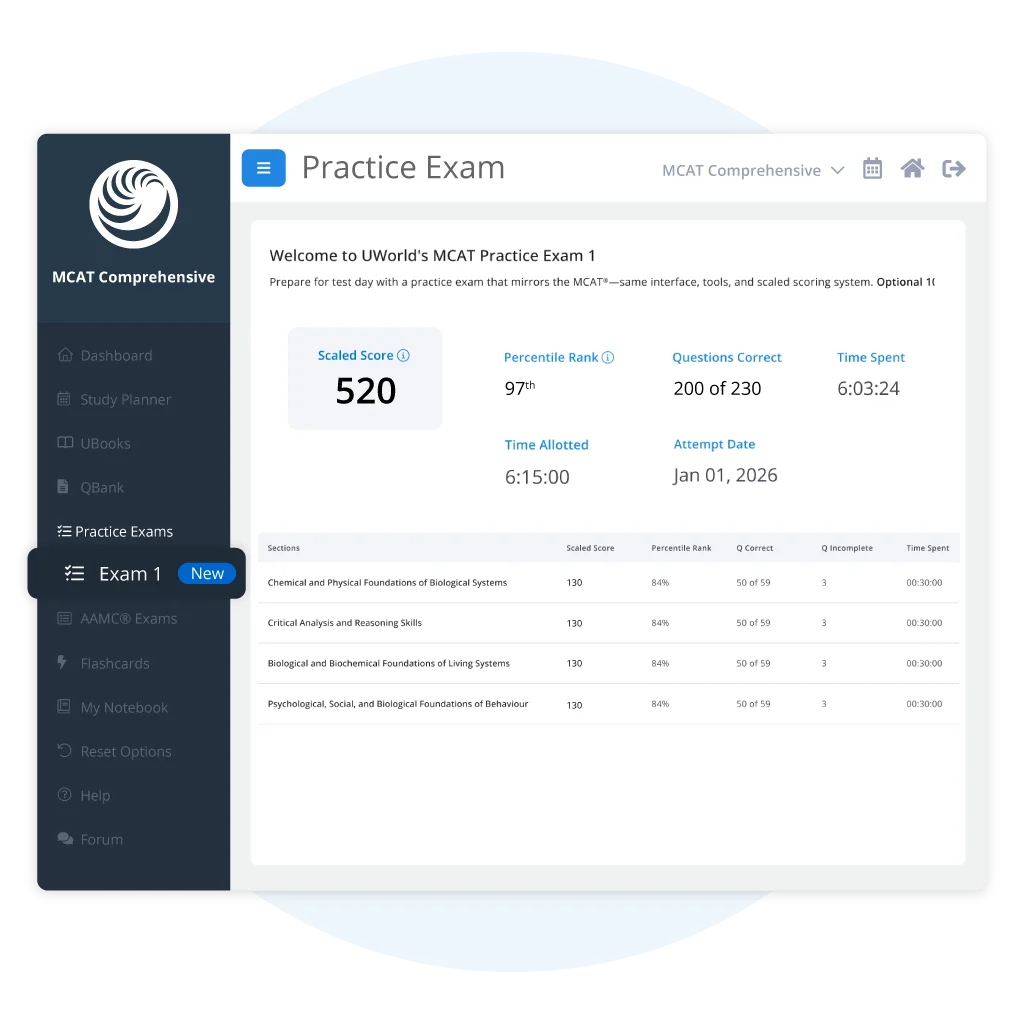
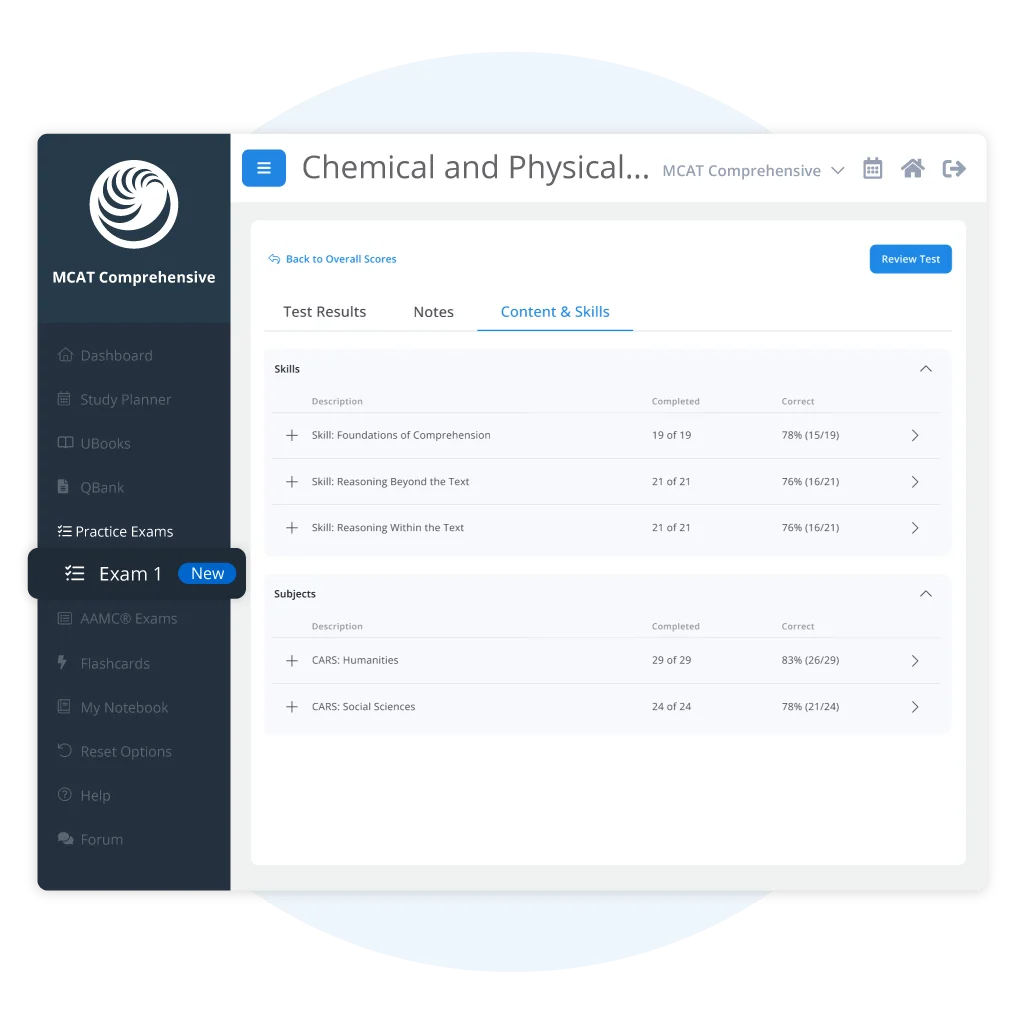
Performance by Subject and Skill
Beyond your overall scaled score, our MCAT prep exam performance tracking delivers in-depth analytics by exam subject and skill area. This granular insight means you can identify precisely where your knowledge gaps exist. For example, distinguishing between a weakness in Physics versus a general issue with CARS. By providing detailed metrics, we give you the tools you need to improve your score.
Put Your Skills to the Test
exclusively in our MCAT Comprehensive Prep Course.
4 Steps to a High Score
Utilize the UWorld or AAMC MCAT practice exams strategically to maximize your score. Follow these tips before and after taking your MCAT full length practice tests.
Taking your MCAT practice test under strict conditions is the most effective way to build stamina and manage test-day anxiety. To maximize the value of your full length MCAT exams, simulate the environment by:
- Starting at the official time (e.g., 8:00 AM)
- Sitting in a quiet, dedicated space without distractions
- Adhering strictly to all section time limits and breaks, just as you would on test day.
This disciplined approach will make your mock MCAT test score a reliable indicator of your exam readiness.
The true power of your MCAT practice exam is unlocked in the post-test review. Maximize your review with this step-by-step guide:
- Analyze every question you marked incorrectly or flagged for review.
- Carefully read the explanations for these questions, focusing on the underlying content and reasoning to understand why the correct answer is right and why your answer was wrong.
- Don’t move on to the next question until you understand the concept. Our MCAT test example question explanations simplify difficult concepts, allowing you to turn conceptual mistakes into mastery.


Frequently Asked Questions
How does UWorld’s MCAT practice test compare to official AAMC MCAT practice tests?
The UWorld MCAT practice exam is meticulously designed to match the format, difficulty, and scaled scoring system of the official AAMC practice exams and the actual MCAT test.
The key difference lies in the quality and depth of the review materials:
- UWorld’s science questions include illustrated, industry-leading explanations that go beyond the basic review of official practice materials.
- UWorld’s CARS questions feature excerpt annotations that pinpoint exactly where to find the correct answer in the passage.
How many MCAT practice exams should I take?
Top scoring students take between 6 to 10 total MCAT full length practice exams (including the official AAMC and third-party exams) before their test date. The UWorld Comprehensive Prep Course provides all the assessment tools you need including one UWorld full-length exam and seven AAMC official practice exams.
The number you take should follow a strategic, three-phase approach:
- Baseline & Diagnostic: Start with one initial MCAT diagnostic test to determine your starting score and identify content weaknesses.
- Building Stamina: Take 3–4 full length practice MCAT exams spaced 1–2 weeks apart during the middle of your prep, focusing on pacing and completing the entire 7.5-hour exam under realistic conditions.
- Final Assessment: Take 2–3 final mock MCAT tests in the final month to confirm you have reached your target score and are fully prepared for the rigor of test day.
How can I use my MCAT practice test results to improve my score?
Completing an MCAT practice test requires significant time and energy, so they must be used strategically to ensure maximum score improvement. To maximize your MCAT practice test results, focus on a three-phase improvement cycle:
- Analyze the Score Report: Start by studying your scaled score report to identify the lowest-performing subject areas and skills, using the detailed analytics to pinpoint your biggest weaknesses.
- Target Content Review: After identifying a weak area, turn away from the QBank and review the foundational material first read the relevant UWorld UBook chapters or watch the corresponding instructional videos to close the knowledge gap.
- Execute Focused Practice: Finally, solidify your new knowledge by creating custom MCAT section practice tests in the QBank, ensuring your practice is highly concentrated on the concepts you struggled with most on your mock MCAT exam.
How do I effectively review MCAT practice test results?
The review is where you identify and fix the content gaps and strategy errors that are costing you points. The most effective way to review your MCAT practice test results is to use a structured, three-step approach:
- Analyze the Error Type: Review every question you answered incorrectly or flagged, and classify the error (e.g., content gap, misinterpretation, or time management).
- Deep Dive into Explanations: For each error, thoroughly read the industry-leading explanation to understand the core concept and why the correct answer works, which may also involve reviewing related UBook chapters or videos.
- Create Targeted Practice: Use the insights gained from your review to build custom quizzes in the QBank focused on the specific concepts or skills where you struggled, ensuring you transition from assessment to targeted mastery.
What MCAT practice test score should I be aiming for?
A “good” score is one that puts you at or above the median for accepted students at your desired schools. To be a competitive applicant for U.S. medical schools, you should consistently score in the following ranges on your mock MCAT exams:
- Competitive Score (Generally): Aim for a total score of 511+. Achieving this range typically places you around the 84th percentile.
- Highly Competitive/Top-Tier Schools: To be competitive for the most selective programs, you should aim for a score of 517+, which places you in the 95th percentile or above.
Data from the AAMC clearly demonstrates how strongly your score correlates with your chance of acceptance. Use the following scores as benchmarks for your MCAT diagnostic test:
| Total MCAT Score | Percentile | U.S. Medical School Acceptance Rate |
|---|---|---|
| 518+ | 95th – 100th | ∼ 80% |
| 514–517 | 89th – 94th | ∼ 71% |
| 510–513 | 79th – 87th | ∼ 62% |
| 506–509 | 67th – 76th | ∼ 47% |
| 502–505 | 54th – 64th | ∼ 35% |
| 498–501 | 42th – 51th | ∼ 22% |
How accurate is the UWorld MCAT mock exam in predicting my real MCAT score?
How is the UWorld MCAT mock exam structured?
The UWorld full-length MCAT mock exam is divided into four sections, each with a specific time limit:
| MCAT Section | Time Allocated |
|---|---|
| Chemical and Physical Foundations of Biological Systems | 1 hr, 35 mins |
| Critical Analysis and Reasoning Skills | 1 hr, 30 mins |
| Biological and Biochemical Foundations of Living Systems | 1 hr, 35 mins |
| Psychological, Social, and Biological Foundations of Behavior | 1 hr, 35 mins |
Is it better to take a full length MCAT practice test or a half-length MCAT practice test?
What do I do if my MCAT practice test score doesn’t improve?
If your MCAT practice test score plateaus, switch your focus from content review to strategy and active learning. Follow these three steps:
- Analyze Errors: Use your score report to distinguish between content gaps (fixable by review) and critical thinking/strategy errors (fixable by focused practice).
- Enhance Stamina: If fatigue is the issue, ensure you are consistently taking and reviewing full-length MCAT exams under strict, realistic conditions to build endurance.
- Active Practice: Address content gaps using active recall rather than passive reading, and create custom quizzes on repeatedly missed topics until mastery is achieved.
How long does a full length MCAT mock exam take to complete?
How do I handle test anxiety during MCAT practice tests?
Test anxiety is very common, but you can manage it using your MCAT practice test. Follow a two-step process to minimize stress:
- Simulate Reality: Take every full-length MCAT practice exam under realistic conditions. Start at the correct time, use only the scheduled breaks, and sit in a quiet space. This repeated exposure helps desensitize you to the pressure, making the actual test feel routine.
- Practice Mindfulness: Use quick techniques like deep breathing or grounding during breaks to manage physical symptoms of anxiety (e.g., rapid heart rate). You can also practice positive self-talk to reframe anxiety as excitement and build confidence.